

 Voice of San Diego0 followersVerified
Stay connected and personalize your Newswire experience.
Fixing the South Bay Plant Won’t Stop the Tijuana River’s Industrial Waste
- Publisher
- Voice of San Diego
- Topic
- Opinion
- Location
- San Diego, CA, US
- Published
- Oct 19, 2026 · 9:00 AM
Las Vegas Newswire preserves the publisher's attribution and original-source link while adding publisher, topic and related-coverage navigation for readers.

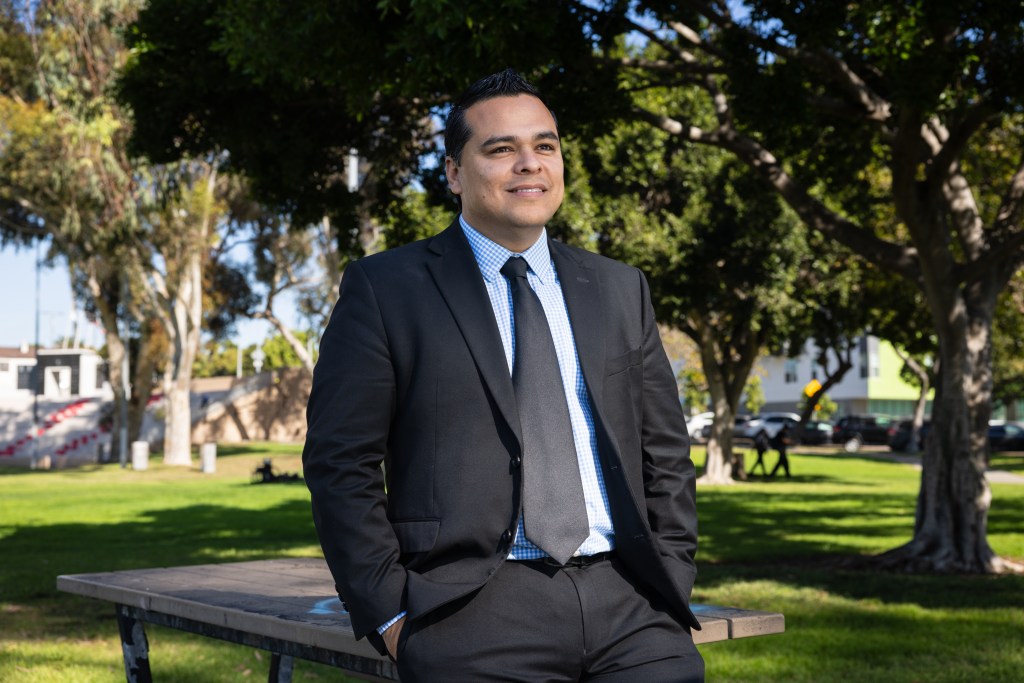
Dr. Mike McCoy is the treasurer of the Tijuana Estuary Foundation, formerly the Southwest Wetlands Interpretive Association. It is the nonprofit partner of the Tijuana River National Estuarine Research Reserve, which has worked to protect and restore the Tijuana Estuary since 1979.
In 1967, the Tijuana Estuary faced a very different future. Developers wanted to dredge the estuary and transform it into a residential marina, but a coalition of neighbors, scientists and agency staff came together to fight the proposal. They succeeded, and the estuary was instead preserved and protected as an important wetland ecosystem.
Nearly 60 years later, it faces a new threat. San Diego Coastkeeper’s new water quality report found industrial chemicals, heavy metals and pesticides flowing into the Tijuana River on a regular basis. Each round of testing typically found 10 to 20 chemicals that could only come from factories. The pollution threatens South Bay communities, especially San Ysidro and Imperial Beach, and reaches as far north as Coronado.
Running 120 miles through northwest Baja California and the Tijuana River Valley before reaching the Pacific Ocean, the Tijuana River’s 1,750-square-mile watershed is home to more than 2.8 million residents on both sides of the border and encompasses the ancestral lands of the Kumeyaay Nation.
For years, the Tijuana River sewage crisis has been defined primarily as a water-quality problem. Volunteers, the county of San Diego and San Diego State University have monitored the Tijuana River and adjacent beaches for more than a decade, publishing bacterial counts to help inform the public about water quality at nearby beaches. But emerging research indicates this pollution extends beyond the water to the air people breathe.
A 2025 study published in the journal Science measured peak hydrogen sulfide concentrations in the Tijuana River Valley at roughly 4,500 times what you would expect in the average U.S. city. Researchers also identified hundreds of other toxic gases rising from the polluted river and its ocean outflow.
People who live and work in the region are already feeling the effects. A 2024 survey found 69 percent of respondents reported health problems they associated with the pollution, including headaches, nausea, coughing and sore throats. A Department of Defense report documented roughly 1,100 illnesses among Navy SEALs who trained in coastal waters near the river mouth at Silver Strand. For residents, students and outdoor workers in the region, exposure to these harmful fumes is part of daily life.
Infrastructure and cross-border challenges have complicated the crisis and allowed it to persist. Aging wastewater infrastructure, rapid population growth and the river’s binational watershed have contributed to the problem. According to a 2025 study, Tijuana’s sanitation system includes more than 2,360 miles of sewer mains, 57 percent of which are failing due to age and wear, contributing to runoff into the Tijuana River. On the U.S. side, the South Bay International Wastewater Treatment Plant needs nearly $900 million in repairs, but faces a $300 million funding shortfall.
Development in Tijuana has sent uncontrolled sediment downstream, shrinking the Tijuana Estuary’s tidal prism. For decades, locals have visited the region for physical and mental health benefits and free access to nature. Home to more than 370 bird species, the area also provides habitat for marine species, including juvenile halibut and leopard sharks. It serves as the watershed’s last natural filter before the Pacific Ocean.
While repairing the South Bay plant is critical, and the work needs full funding, the plant was built to treat sewage; it wasn’t designed to remove the industrial chemicals and heavy metals Coastkeeper continues to find. Industrial facilities must keep harmful waste from entering the system in the first place, and government oversight must hold them accountable.
The history of the Tijuana Estuary offers an important lesson: problems this big are rarely solved by one agency or one funding source. Protecting the estuary — and the communities surrounding it — will continue to require sustained cooperation across the border and among scientists, nonprofits and public agencies. Residents can help by calling their elected officials, including their city council members and mayors. Ask what they’re doing to stop industrial waste at the source and whether they’ll support long-term funding for pollution monitoring and estuary restoration.
Saving the Tijuana Estuary from development decades ago took neighbors, scientists and agencies working together. Protecting it now requires that same resolve, and a willingness to fund the work that a treatment plant alone cannot do.
The post Fixing the South Bay Plant Won’t Stop the Tijuana River’s Industrial Waste appeared first on Voice of San Diego.
Article at a Glance
- Publisher
- Voice of San Diego
- Author
- Mike McCoy
- Primary topic
- Opinion
- Coverage
- San Diego, CA, US
- Published
- Oct 19, 2026 · 9:00 AM
About the Publisher
Investigative journalism for a better San Diego
Coverage
This report is associated with San Diego, CA, US based on the location metadata supplied with the story or publisher profile.
Topics & Keywords
Primary topic: Opinion
Related topics: Opinion, San Diego, CA, Local News
Frequently Asked Questions
Who published this report?
This report was published by Voice of San Diego and credits Mike McCoy as the author.
What is the primary topic?
The story is categorized as Opinion in the Newswire metadata.
What area does this story cover?
The available Newswire metadata associates this report with San Diego, CA, US.
What do you think about this story?
Share your perspective and join the conversation with other readers.
Discussion is hosted by Las Vegas Newswire. Publisher attribution and the originating report remain unchanged.
About Las Vegas News Publisher Network
Las Vegas News Publisher Network is the publisher-distribution network operated by Las Vegas News. It organizes reporting from participating publishers while preserving publisher attribution and links to the original source.

The Mayor Isn’t Leaving
Martha Abraham has won a seat on the Council by ousting incumbent Councilmember Henry Foster. It is another stunning loss by an incumbent representing District 4 just eight…

 Voice of San Diego0 followersVerified
Stay connected and personalize your Newswire experience.
Loading recommendations…