

 Times of San Diego0 followersVerified
 Stay connected and personalize your Newswire experience.
10 things you may not know about Julian that have nothing to do with gold
- Publisher
- Times of San Diego
- Topic
- Arts
- Location
- California, US
- Published
- Oct 15, 2026 · 2:00 PM
Las Vegas Newswire preserves the publisher's attribution and original-source link while adding publisher, topic and related-coverage navigation for readers.

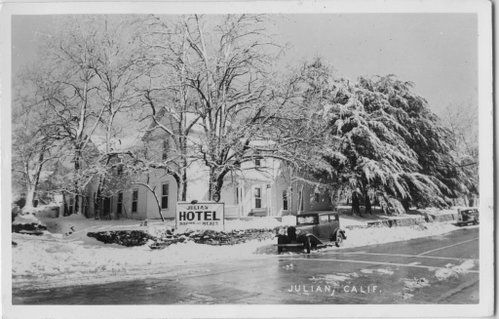
Julian is usually introduced through its gold-rush past. But the San Diego County mountain town has a much bigger story.
Its history includes orchards, newspapers, schools, churches, hotels, Black pioneers, town halls, and even an attempt to become the county seat.
Here are 10 things you may not know about Julian — and none requires a trip down a mine shaft.
1. Julian had a newspaper of its own
The Julian Sentinel began publication in 1887 and continued into the early 1890s.
Surviving holdings are incomplete, but historical collections preserve the newspaper on microfilm.
2. Julian had a school almost as soon as it had a town
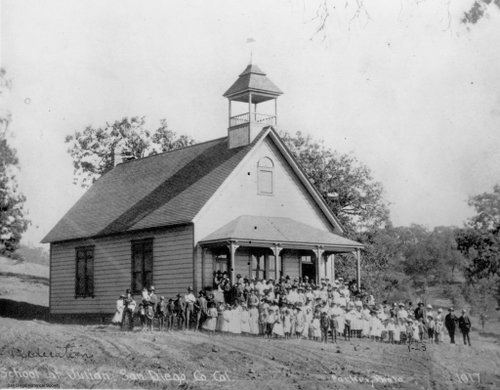
Julian’s first school opened in 1870 in a one-room building north of Main Street.
The Julian Union School District says the first teacher was Sue E. Storms, who taught 65 students reading, writing,g and arithmetic. The rough timber building had warped boards, falling knots, and walls that let in the wind.
3. Julian once had a sizable Black community
Historian Robert L. Carlton documented a significant Black community in the Julian area during the late 19th century.
Nearly 60 percent of the Black residents recorded in San Diego County in the 1880 census lived in the Julian area. Among the best-known residents were Albert and Margaret Robinson, who became successful business owners and ran the Hotel Robinson.
4. A formerly enslaved man and his wife built Julian’s famous hotel
Albert Robinson had been enslaved in Missouri before coming to California. In Julian, he and Margaret Robinson built a restaurant and bakery before establishing the Hotel Robinson.
The hotel opened in the late 1890s and became a gathering place for residents and visitors. Margaret was particularly known for her cooking and baking.
The Robinsons’ story is now part of the history of the Julian Gold Rush Hotel, the building that succeeded Hotel Robinson.
5. Julian’s apple story started in the 1870s
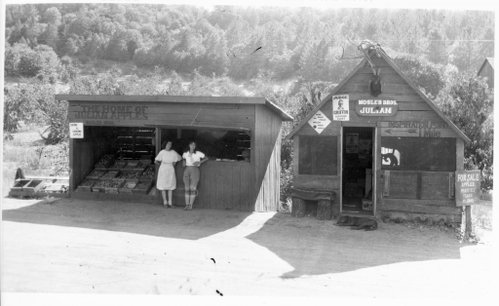
James Madison and Thomas Brady are credited with planting some of Julian’s first apple trees in the 1870s.
Madison recognized that Julian’s elevation, soil, and climate could support fruit growing. By the late 19th century, orchards had become an important part of the local economy, and Julian apples won prizes at major expositions.
6. Julian celebrated its first Apple Day in 1909
The first Apple Day was held Oct. 9, 1909. The celebration included apple displays, food, speeches, dancing and athletic events.
The annual tradition helped cement Julian’s reputation as an apple-growing town.
7. Julian nearly became the San Diego County seat
Julian’s population grew rapidly enough in its early years that the town was considered as a possible county seat.
A San Diego History Center account says the effort came down to an election and that Julian lost the opportunity by a narrow margin.
The larger fact is clear: Julian once had ambitions considerably larger than those of a mountain village.
8. Julian has had several town halls
The town hall standing on Main Street is not Julian’s first.
The current structure was built in 1914 after several earlier town halls were destroyed, converted to other uses or outgrown. One 19th-century hall even featured a spring-coil dance floor.
The current building became a center for meetings, dances and other community activities. Part of it later housed the Julian branch of the San Diego County Library.
9. Julian’s historic appearance is protected by law
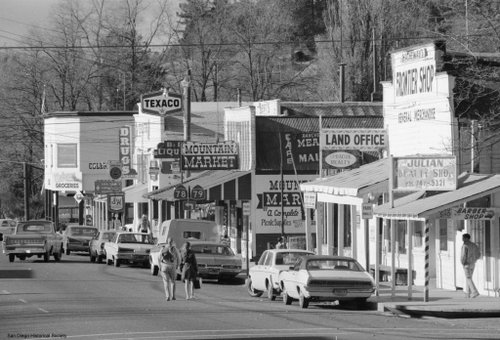
Those old-looking buildings along Julian’s streets are not there entirely by accident.
San Diego County established the Julian Historic District in the late 1970s. County planning documents identify dozens of historic buildings and landmarks dating from the 1870s into the early 20th century.
County regulations generally require structures in the district to resemble buildings that existed during the 1870–1913 period.
10. Julian’s story continued after the mines faded
Julian’s history did not end with the decline of mining.
San Diego County’s community history describes the transition toward orchard agriculture, cattle raising, lumbering and other businesses.
The San Diego History Center’s Life Beyond Gold study similarly describes a community that continued with stores, hotels, schools, churches, and other institutions after the mining era.
Julian survived because people found new reasons to live there, work there, and visit.
Read more history stories here. Do you have a story to tell? Send an email to [email protected].
Sources:
- “Life Beyond Gold: A New Look at the History of Julian, California,” by Kathryn A. Jordan.
- San Diego History Center, “The Glory Years, 1865–1899, Chapter Ten: The Discontented Seventies.”
- San Diego County General Plan, “Julian Community Plan,” adopted Dec. 16, 1976.
- Julian Union School District, “History of the Julian Union School District.”
- San Diego History Center, “Historic Landmarks of San Diego County.”
- San Diego History Center, “Blacks in San Diego County: A Social Profile, 1850-1880,” by Robert L. Carlton.
- San Diego History Center, “The Hotel Robinson in Julian Was Built.”
- California Historical Landmarks, “CHL No. 412 Julian.”
Article at a Glance
- Publisher
- Times of San Diego
- Author
- Debbie L. Sklar • Times of San Diego
- Primary topic
- Arts
- Coverage
- California, US
- Published
- Oct 15, 2026 · 2:00 PM
About the Publisher
Local News and Opinion for San Diego
Coverage
This report is associated with California, US based on the location metadata supplied with the story or publisher profile.
Topics & Keywords
Primary topic: Arts
Related topics: Arts, California
Frequently Asked Questions
Who published this report?
This report was published by Times of San Diego and credits Debbie L. Sklar • Times of San Diego as the author.
What is the primary topic?
The story is categorized as Arts in the Newswire metadata.
What area does this story cover?
The available Newswire metadata associates this report with California, US.
What do you think about this story?
Share your perspective and join the conversation with other readers.
Discussion is hosted by Las Vegas Newswire. Publisher attribution and the originating report remain unchanged.
About Las Vegas News Publisher Network
Las Vegas News Publisher Network is the publisher-distribution network operated by Las Vegas News. It organizes reporting from participating publishers while preserving publisher attribution and links to the original source.

Claudia Russell’s path – from ‘What the heck, we’ll see’ to first radio DJ to join SD Music Hall of Fame
Russell, aka "Jazz Kitty," applied for a job in San Diego during a cold winter in Indiana. She got it, then turned into a mainstay at Jazz 88.3.
 Branded Content
A San Diego holiday jewelry guide: Meaningful gifts for every California style
Times of San Diego→
Branded Content
A San Diego holiday jewelry guide: Meaningful gifts for every California style
Times of San Diego→
 Local News
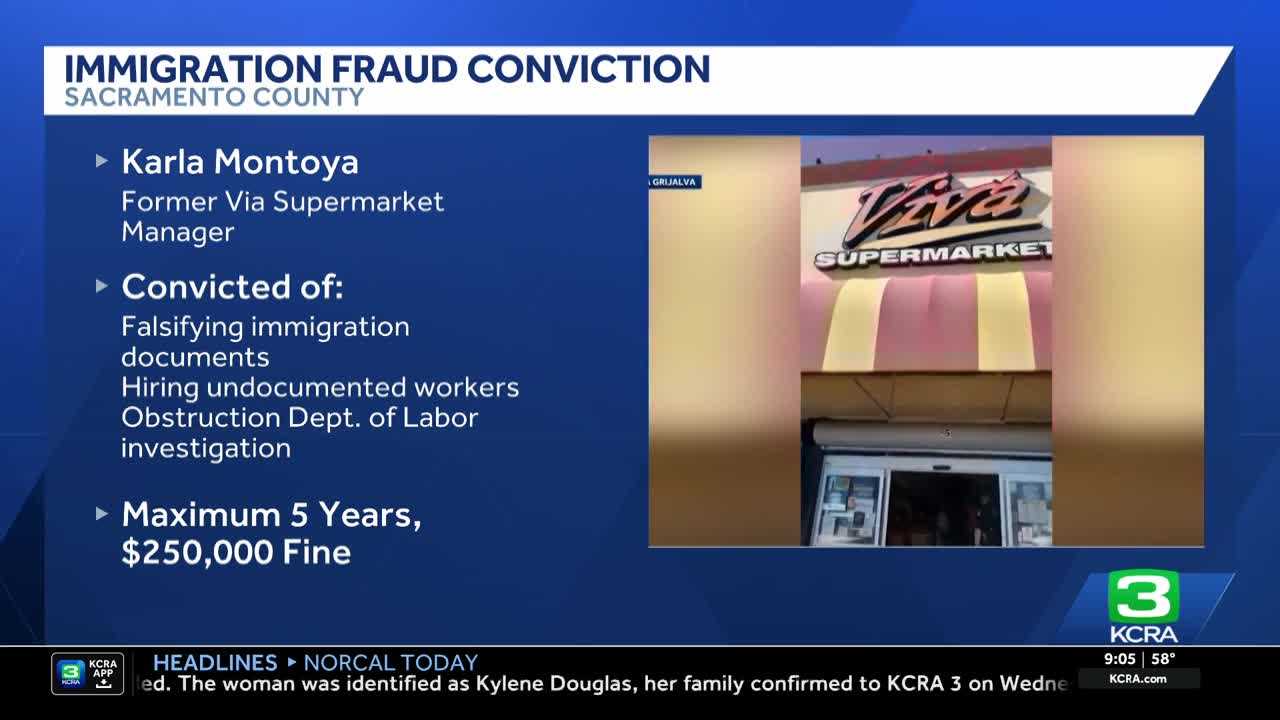
Ex-aide to former Sacramento councilmember Sean Loloee convicted in immigration fraud scheme
KCRA 3→
Local News
Ex-aide to former Sacramento councilmember Sean Loloee convicted in immigration fraud scheme
KCRA 3→
 Local News
FBI agents and analysts fired for roles in Trump classified files probe sue to get their jobs back
KCRA 3→
Times of San Diego0 followersVerified
Local News
FBI agents and analysts fired for roles in Trump classified files probe sue to get their jobs back
KCRA 3→
Times of San Diego0 followersVerified Stay connected and personalize your Newswire experience.
Loading recommendations…